
The Cellular Bioenergetics Paradigm: Pathophysiology and Therapeutic Interventions
Fatigue, Adiposity, and Systemic Decline in the Context of Mitochondrial Senescence
The modern human organism exists within a milieu of unprecedented physiological stressors. Intensified occupational demands, continuous digital immersion, ultraprocessed dietary regimes, and chronic exposure to environmental xenobiotics collectively impose a disproportionate allostatic burden. Traditional explanatory models of fatigue, weight gain, and metabolic deterioration—predicated on caloric excess and physical inactivity—prove increasingly reductive when confronted with the complex, multidimensional evidence base. At the cellular level, an emergent body of scholarship identifies mitochondrial dysfunction as the cardinal etiological nexus.
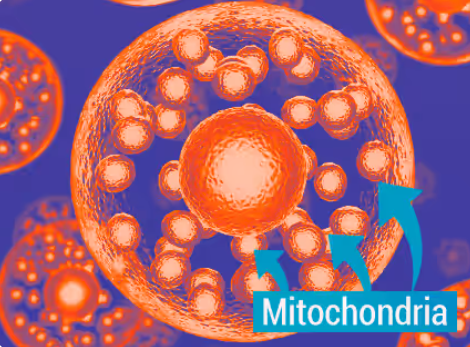
Mitochondria, evolutionary vestiges of prokaryotic symbionts, remain central to bioenergetics, executing oxidative phosphorylation and thereby furnishing adenosine triphosphate (ATP)—the universal energy currency governing contractile function, synaptic transmission, immunological defense, and anabolic repair. Perturbations in mitochondrial dynamics, whether via age-dependent decline, reactive oxygen species accumulation, micronutrient deficiencies, or chronic psychosocial stress, initiate cascading dysfunctions. The clinical sequelae include diminished basal metabolic rate, impaired β-oxidation, disrupted neuroendocrine signaling, adipocyte hypertrophy, and escalating risk for metabolic syndrome, atherosclerotic pathology, and neurocognitive impairment.
The epidemiological implications are striking. According to the World Health Organization, over 890 million adults now meet clinical criteria for obesity—representing approximately one in eight individuals globally. Such data underscore the inadequacy of purely thermodynamic models of obesity and point toward a broader paradigm of cellular energy dysregulation. In states of mitochondrial insufficiency, nutrient substrates are preferentially sequestered into adipose depots rather than oxidized to sustain physiological vitality.
Scientific Trajectories in Mitochondrial Optimization
Recent decades have witnessed an efflorescence of inquiry into nutraceutical and phytochemical modulators of mitochondrial function. Key bioactives demonstrate mechanistic potential for augmenting oxidative capacity and stress resilience
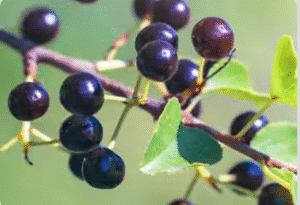
Maqui Berry
exotic purple fruit packed full of the special antioxidant anthocyanin.

Rhodiola
adaptogen bursting with over 140 polyphenols like rosavin and salidroside
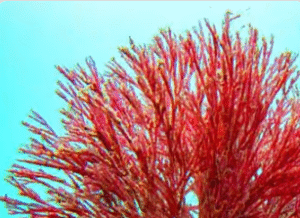
Haematococcus
unique red algae crammed full of the mighty red antioxidant astaxanthin

Amla
special fruit rich in flavonoids, antioxidants and essential nutrients.
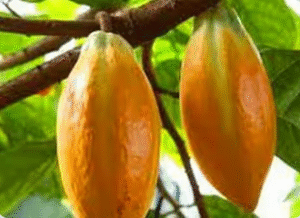
Theobroma Cacao
tropical superfood overflowing with epicatechin- a natural flavonoid.

Schisandra
powerful calorie-burning red berries brimming with antioxidant compounds.
Anthocyanins (notably cyanidin-3-glucoside) have been shown to promote “beiging” of white adipocytes, characterized by UCP1 expression and heightened thermogenic capacity.
Astaxanthin, a marine-derived xanthophyll, exhibits potent antioxidant functionality, stabilizing mitochondrial membranes, suppressing lipid peroxidation, and sustaining electron transport chain efficiency.
Rhodiola Rosea, a canonical adaptogen, modulates hypothalamic–pituitary–adrenal axis activity, enhances ATP synthesis, and buffers against psychosomatic fatigue.
(-)-Epicatechin, a flavanol concentrated in cacao, activates PGC-1α signaling cascades, thereby upregulating mitochondrial biogenesis and augmenting endothelial nitric oxide bioavailability.
Phyllanthus emblica (Amla) and Schisandra chinensis possess synergistic antioxidative and hepatoprotective properties, reinforcing cellular detoxification and cardiometabolic resilience.
As Dr. Michael P., a distinguished scholar of metabolic physiology, has emphasized: “Mitochondria function as the central integrators of systemic homeostasis. Their impairment precipitates metabolic inflexibility, endocrine dysregulation, and pervasive fatigue—hallmarks of contemporary chronic disease.”
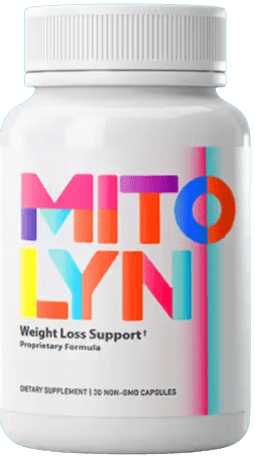
Mitolyn: A Translational Application of Mitochondrial Science
Against this scholarly backdrop, Mitolyn has been developed as a nutraceutical formulation explicitly targeting mitochondrial insufficiency. Unlike conventional stimulatory compounds, which transiently obscure symptomatic fatigue, Mitolyn operationalizes a systems-biology approach: harnessing bioactive agents with documented mechanistic validity to reinforce mitochondrial resilience, optimize substrate flux, and recalibrate systemic energetics.
Core Bioactive Constituents
Cyanidin-3-glucoside (C3G): Induces adipocyte beiging, modulates glycemic control, and supports lipid mobilization.
Astaxanthin: Preserves mitochondrial membrane integrity and attenuates oxidative insults.
Rhodiola Rosea: Enhances resilience to stress by modulating HPA-axis signaling and stabilizing ATP production.
Amla (Indian Gooseberry): Rich in ascorbic acid and polyphenols, conferring immunomodulatory and cardioprotective effects.
(-)-Epicatechin: Stimulates angiogenesis, nitric oxide synthesis, and mitochondrial proliferation, with demonstrable impact on exercise tolerance.
Schisandra Extract: Supports hepatic detoxification, mitigates fatigue, and promotes adaptive homeostasis.
The integrative architecture of Mitolyn’s formulation reflects principles of synergy: each constituent potentiates the bioefficacy of others, amplifying mitochondrial competency as a holistic therapeutic target.
Evidence-Informed Outcomes
Mitolyn’s mechanistic profile confers a range of functional benefits:
Enhanced adipose metabolism via accelerated β-oxidation and increased caloric turnover.
Sustained energy homeostasis independent of exogenous stimulants.
Cognitive augmentation, including superior attentional control, executive function, and memory consolidation.
Performance optimization, reflected in enhanced muscular endurance, reduced oxidative stress, and improved recovery kinetics.
Multisystem antioxidative defense, delaying senescence and mitigating chronic disease trajectories.
Stress resilience, achieved through modulation of neuroendocrine signaling and reinforcement of adaptive capacity.
Qualitative case narratives corroborate these outcomes. For example, Sarah, a 45-year-old professional experiencing protracted fatigue and weight dysregulation, reported significant gains in vitality, affect stabilization, and anthropometric markers following consistent Mitolyn supplementation—anecdotal evidence that aligns with mechanistic predictions.
Quality Control, Regulatory Oversight, and Consumer Safeguards
Mitolyn is produced under FDA-registered, GMP-certified conditions within the United States, ensuring stringent compliance with pharmaceutical-grade standards. The formulation is non-GMO, allergen-free, and devoid of synthetic excipients, reflecting a commitment to purity and biocompatibility. Furthermore, the product is backed by a 180-day unconditional money-back guarantee, enabling empirical self-assessment without fiscal liability.
Synthesis and Final Considerations
A growing consensus within molecular medicine posits mitochondrial competence as the fulcrum of systemic health and disease resilience. Progressive mitochondrial decline underlies the syndromic convergence of fatigue, adiposity, and chronic illness. By integrating bioactives validated across preclinical and translational contexts, Mitolyn represents a novel instantiation of mitochondrial therapeutics, bridging basic science and consumer accessibility. It thus emerges not merely as a supplement, but as a translational intervention for restoring bioenergetic homeostasis and optimizing human vitality.


 By
By