
Prostatic Pathophysiology, Senescence Biology, and Integrative Nutraceutical Paradigms
Global Epidemiology and Socioeconomic Ramifications
Benign prostatic hyperplasia (BPH), age-related lower urinary tract symptoms (LUTS), and chronic prostatic inflammatory states represent a critical axis of morbidity within the male aging trajectory. Epidemiological surveillance conducted by the National Institutes of Health (NIH), corroborated by World Health Organization (WHO) global burden analyses, delineates striking prevalence curves: approximately 50% of men beyond the fifth decade exhibit measurable prostatic enlargement, with prevalence escalating to nearly 80% in octogenarian cohorts. These statistics extend beyond mere numerical markers, reflecting the embodied psychosocial cost of disrupted sleep from nocturia, urgency-induced anxiety, diminished urinary stream, and incomplete bladder emptying. Collectively, these manifestations destabilize not only physiological homeostasis but also cognitive performance, marital intimacy, and psychosocial resilience.
The economic externalities mirror the clinical crisis. Direct expenditures on BPH-related interventions exceed $4 billion annually in the United States alone, with indirect burdens—including absenteeism, caregiver stress, and occupational inefficiency—multiplying the fiscal footprint. Conventional pharmacotherapy, encompassing alpha-adrenergic receptor antagonists and 5-alpha-reductase inhibitors, provides modest symptomatic relief yet introduces iatrogenic sequelae: sexual dysfunction, orthostatic dysregulation, gynecomastia, and androgenic suppression. Surgical modalities, although curative for many, incur significant risks of infection, incontinence, and functional compromise. This clinical impasse has generated an urgent demand for integrative strategies that intervene at the biological origins of prostatic pathology rather than restricting themselves to palliative management.
Mechanistic Convergence: Endocrine Perturbation, Inflammaging, and Senescent Cell Accumulation
The contemporary paradigm situates BPH within a tripartite pathophysiological framework: endocrine dysregulation, chronic immunoinflammatory signaling, and senescence-associated cellular remodeling. Elevated intraprostatic conversion of testosterone to dihydrotestosterone (DHT) amplifies hyperplastic tissue proliferation. This androgenic surplus is potentiated by systemic immunosenescence, which orchestrates a pro-inflammatory tissue niche characterized by elevated IL-6, TNF-α, and persistent ROS generation. Senescent epithelial and stromal cells, via the senescence-associated secretory phenotype (SASP), further perpetuate this cycle, reinforcing tissue remodeling and pathological fibrosis.
As urologic geroscientist Dr. Leonard S. emphasizes: “The prostate functions as a biomarker of systemic aging—endocrine imbalance, oxidative overload, and immune dysregulation intersect here with devastating clinical consequences.” This insight underscores the inadequacy of unimodal approaches and validates the rationale for multi-targeted nutraceutical consortia.
ProstaVive: A Systems-Based Nutraceutical Intervention
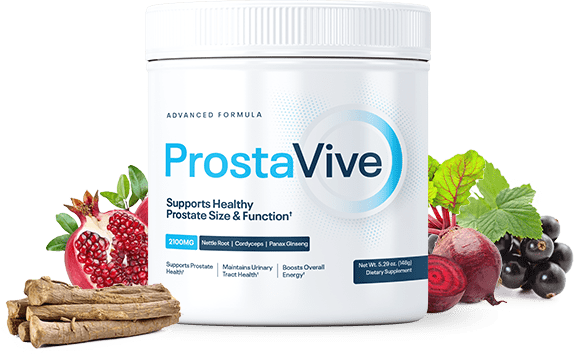
ProstaVive represents a strategic nutraceutical construct designed to intervene across endocrine, inflammatory, and oxidative stress pathways. Unlike single-agent pharmacotherapies, its formulation integrates botanicals, phytosterols, and micronutrients, collectively orchestrated to recalibrate androgen metabolism, attenuate inflammatory cascades, and enhance cellular antioxidative defenses.

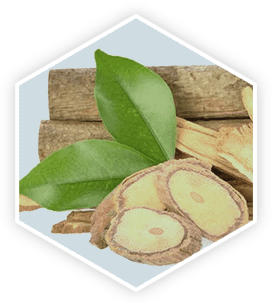
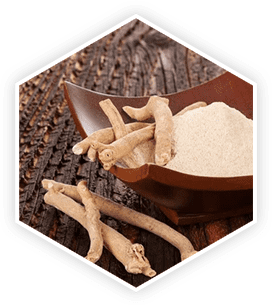
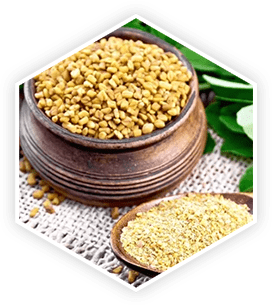
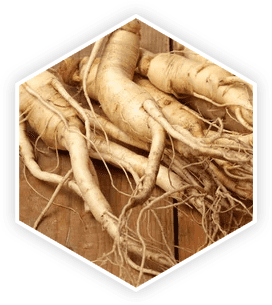
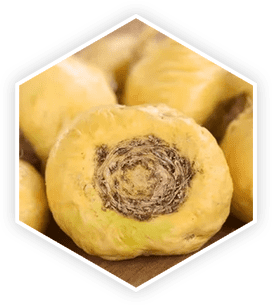
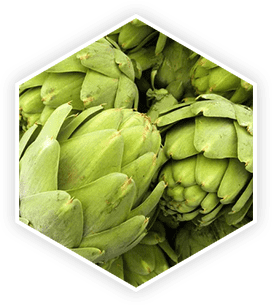

Constituent Bioactives and Mechanistic Rationale
Saw Palmetto (Serenoa repens): Downregulates 5-alpha-reductase activity, limiting pathological DHT accumulation.
Beta-Sitosterol: Clinically validated to enhance urinary peak flow and diminish post-void residual urine volume.
Pygeum Africanum Bark Extract: Exhibits potent anti-inflammatory and anti-proliferative effects, reducing nocturia frequency and bladder irritation.
Pumpkin Seed Oil: Provides sterols and essential fatty acids that stabilize bladder contractility and modulate urgency.
Zinc: An indispensable cofactor within prostatic tissue, essential for DNA repair, redox equilibrium, and epithelial integrity.
Lycopene: Preferentially accumulates within prostatic tissue, attenuating oxidative DNA insult and downregulating proliferative signaling.
Stinging Nettle Root: Influences SHBG binding dynamics, supporting balanced androgen bioavailability and urinary function.
This polypharmacological constellation aligns with current geroscientific understanding, targeting the molecular complexity inherent in prostatic disease.
Translational Outcomes and Clinical Narratives
By modulating intersecting biological domains, ProstaVive is anticipated to achieve:
Marked reduction in nocturia, reestablishing circadian sleep consolidation.
Enhanced urinary flow velocity and efficiency, lowering risks of urinary stasis and infection.
Attenuated prostatic inflammation and edema, yielding symptomatic relief.
Reinforced antioxidant defenses, mitigating molecular aging processes.
Endocrine recalibration, diminishing DHT dominance and restoring androgenic balance.
Improved multidimensional quality of life, encompassing sexual vitality, energy dynamics, and psychosocial well-being.
Quality Assurance, Biocompatibility, and Consumer Protection
ProstaVive is produced within FDA-registered, GMP-certified facilities, employing stringent quality assurance standards. The formulation is non-GMO, allergen-neutral, and devoid of synthetic fillers, maximizing physiological compatibility. To mitigate consumer risk, the product is safeguarded by a 180-day, unconditional refund policy, underscoring transparency and user confidence.
Prostatic dysfunction embodies the convergence of endocrine disruption, inflammaging, and cellular senescence. Effective intervention demands a systems-based, mechanistically aligned strategy. ProstaVive, through its integration of phytosterols, carotenoids, and adaptogenic botanicals, provides a scientifically credible, consumer-accessible modality to restore urinary competence, mitigate oxidative burden, and enhance male healthspan.
For men navigating nocturia, urgency, or vitality decline, ProstaVive emerges as an evidence-informed, biocompatible, and secure pathway toward prostatic resilience and systemic well-being.

 By
By