
Plant Based Food: A Scholarly Exegesis of Nutritional Biopolitics, Culinary Praxis, and Eco-Ethical Transformation
Genealogical and Biomedical Foundations of Plant-Based Nutritional Systems
Throughout human civilizational history, alimentary patterns centered on plants have constituted both pragmatic and symbolic frameworks for survival, cultural cohesion, and intergenerational continuity. Archaeological records and anthropological ethnographies reveal that legumes, grains, tubers, fruits, and a multiplicity of leafy greens have historically anchored dietary systems that were simultaneously therapeutic, ritualistic, and communal. These practices provided not only the caloric substrates necessary for physical vitality but also cultivated resilient social ecologies, ritualized bonds, and adaptive mechanisms for enduring environmental instability. By contrast, the modern industrialized food regime—organized around monocultural extraction, hyper-processed commodities, and ecologically costly animal agriculture—has inaugurated a global epidemiological shift marked by the proliferation of metabolic dysfunctions, cardiovascular morbidity, neurocognitive decline, and systemic inflammatory syndromes.

Contemporary biomedical research, employing methodologies ranging from longitudinal epidemiological modeling to molecular nutrigenomics, substantiates the manifold benefits of plant-derived nutrition. Evidence suggests that plant-centered alimentary patterns stabilize glycemic indices, recalibrate lipid metabolism, foster microbiomic diversity, and reduce pro-inflammatory biomarkers, collectively lowering the risk of chronic disease trajectories. Yet the implications extend beyond the biomedical. Plant-based praxis embodies a civilizational paradigm shift toward ecological sustainability, food justice, and biocultural sovereignty. Within this intellectual framework, the Plant-Based Cookbook should be regarded not simply as a repository of recipes, but as an intervention into the intersecting domains of ecological ethics, health sciences, and cultural anthropology.
The Plant-Based Cookbook as a Convergence of Gastronomic Aesthetics and Biomedical Praxis
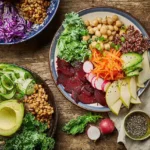
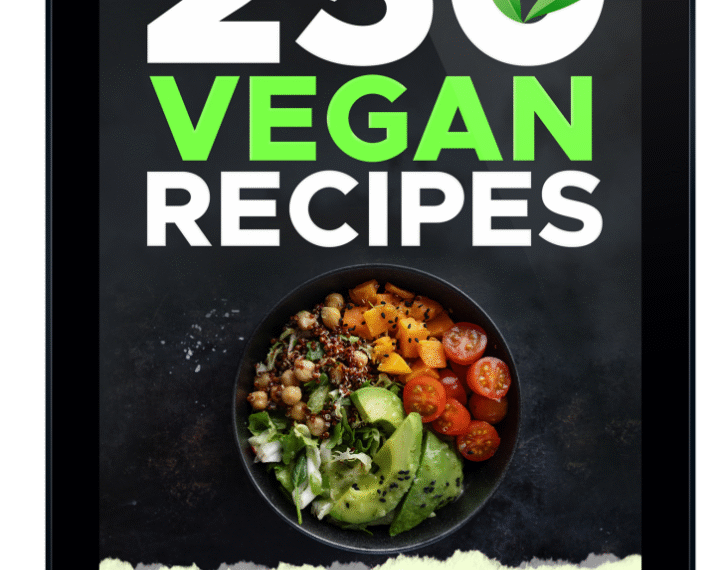
The Plant-Based Cookbook occupies a liminal zone where gastronomy, systems biology, ecological accountability, and cultural philosophy converge. Far exceeding the role of a conventional recipe manual, it rearticulates nourishment as a performative act of self-formation, resilience, and ecological reciprocity. Plant-based substitutions are framed not as secondary compromises but as ontological reorientations that reposition cuisine as a locus of creativity, healing, and abundance. The diverse culinary offerings traverse quotidian sustenance, high-density functional nutrition, globally inflected stews, antioxidant-rich elixirs, and celebratory confections, dismantling the reductive caricature of plant-based living as austere or restrictive.

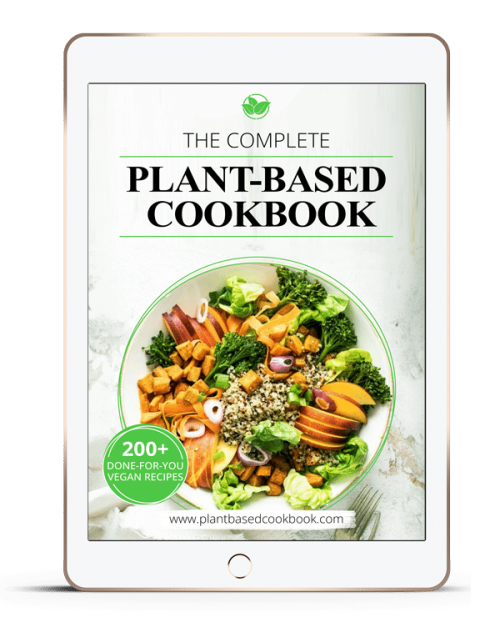



The intellectual scaffolding of the text draws upon nutritional biochemistry and functional food science. Proteins sourced from legumes and nuts, fibers from seeds and whole grains, and phytonutrients from fruits and greens are presented as bioactive agents with demonstrable physiological effects. Soluble fibers enhance microbial symbiosis, polyphenols and carotenoids mitigate oxidative stress and chronic inflammation, and plant-derived proteins contribute to anabolic regulation and metabolic adaptation. The Plant-Based Cookbook thereby epitomizes a translational synthesis of rigorous empirical science and sensory aesthetics, proving that therapeutic nutrition can coexist harmoniously with culinary indulgence.







Tripartite Advantages: Physiological, Ethical, and Ecological Dimensions
The work systematically advances a multidimensional framework of benefits:
Metabolic Regulation: Promotes adiposity control, enhances insulin receptor sensitivity, and stabilizes metabolic homeostasis.
Cardiovascular Preservation: Reduces atherosclerotic progression, fortifies vascular endothelial health, and moderates hypertensive risk factors.
Microbiomic Diversification: Enriches gut microbial ecologies, strengthens mucosal defenses, and optimizes micronutrient uptake.
Neurocognitive Resilience: Supplies neuroprotective phytochemicals that decelerate processes of cognitive degeneration.
Planetary Sustainability: Minimizes dependency on environmentally destructive livestock economies, curtails greenhouse emissions, and supports regenerative agroecologies.
Ethical Praxis: Aligns consumption with interspecies justice, ecological stewardship, and food equity within globalized systems.
Culinary Accessibility and Socioeconomic Inclusion
A distinguishing feature of the Plant-Based Cookbook lies in its democratization of culinary practice. Rather than constructing exclusivity around rarefied superfoods or niche ingredients, it prioritizes affordability, availability, and adaptability. The recipes employ mainstream ingredients, while offering substitutional strategies that allow integration across varied cultural cuisines and socioeconomic contexts. This inclusivity underscores the text’s commitment to repositioning plant-based living as a universal praxis, accessible to both urban cosmopolitan kitchens and rural subsistence households.
The culinary repertoire ranges from rapid, nutrient-dense preparations suitable for modern schedules to culturally anchored heritage recipes that preserve ancestral memory. Elaborate feasts redefine indulgence without metabolic compromise, while confections challenge the entrenched dichotomy between pleasure and health. The book thus affirms food’s polyvalent role: simultaneously biochemical fuel, cultural artifact, and existential enactment.
Toward a Transformative Epistemology of Eco-Nutrition
The Plant-Based Cookbook represents a rupture from entrenched carnivorous-industrial paradigms of consumption. By dissolving binary oppositions between wellness and sensory pleasure, austerity and celebration, tradition and modernity, it articulates a revolutionary epistemology of food as a site of ecological renewal, cultural affirmation, and biomedical optimization. Within this framework, gastronomy ceases to be a mere consumerist act and is reframed as a praxis of ecological accountability, cultural continuity, and systemic transformation.
Conclusion: Food as a Medium of Integral Flourishing
The Plant-Based Cookbook asserts that alimentary practice must move beyond the simplistic binary of indulgence versus restriction. Through its integration of biochemical knowledge, gastronomic artistry, and ecological ethics, it reconceptualizes food as a medium of healing, joy, and planetary reciprocity. For individuals seeking enhanced vitality, ethical coherence, and environmental responsibility, the text functions as both a pragmatic culinary resource and a philosophical treatise for societal renewal.
To embrace the ethos embodied in this work is to enact a commitment to longevity, compassion, and ecological resilience. In this sense, food emerges as not merely a substrate of biological sustenance, but as a transformative agent of human and planetary flourishing.
Explore the complete compendium of plant-based innovation and holistic nourishment here: Official Site

 By
By