
Normup as a Paradigm of Microbiome-Centric Intervention
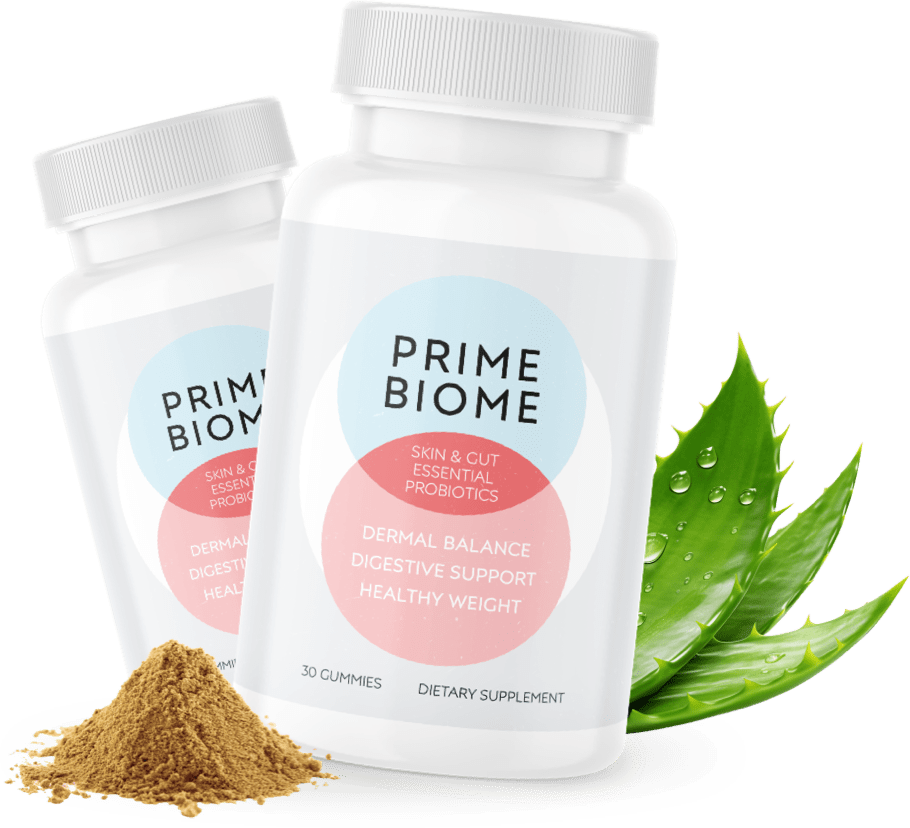
Normup epitomizes an integrative nutraceutical architecture designed to restore eubiosis, reinforce mucosal defenses, and recalibrate systemic immunometabolism. Unlike reductionist interventions such as single-strain probiotics or symptomatic pharmaceuticals, Normup employs a polyfunctional systems approach, integrating multistrain probiotics, prebiotics, polyphenols, digestive cofactors, and targeted micronutrients.








Bioactive Components and Their Mechanistic Contributions
Multistrain Probiotics (Lactobacillus, Bifidobacterium): Facilitate recolonization, antagonize opportunistic pathogens, and enhance SCFA output.
Prebiotics (Inulin, FOS): Provide fermentable substrates that amplify butyrate production and enhance mucosal immune equilibrium.
Polyphenols (Green Tea, Pomegranate Extracts): Deliver antioxidative, anti-inflammatory, and microbiota-modulating activity.
Digestive Enzymes (Amylase, Protease, Lipase): Optimize nutrient assimilation, reduce postprandial discomfort, and attenuate gas formation.
Zinc and Vitamin D3: Accelerate epithelial repair, regulate cytokine expression, and strengthen host defense mechanisms.
Together, these components constitute a synergistic therapeutic framework, ameliorating gastrointestinal symptoms, improving nutrient absorption, enhancing bowel motility, and reducing systemic inflammatory mediators.
.
Translational Evidence and Clinical Correlates
Emerging clinical investigations underscore the efficacy of microbiome-directed therapies:
Digestive physiology: Synbiotic interventions normalize bowel rhythm and reduce IBS-associated discomfort.
Barrier function: Increases in SCFA correlate with reductions in serum LPS and zonulin, biomarkers of permeability.
Immunomodulation: Targeted probiotic–polyphenolic strategies suppress pro-inflammatory cytokines (TNF-α, IL-6) while enhancing regulatory T-cell dynamics.
Neurobehavioral outcomes: Microbiome recalibration is linked with improved sleep quality, anxiolytic resilience, and enhanced cognitive clarity.
Clinical Case Vignette
Consider Maria, a 38-year-old professional burdened by dyspeptic symptoms, fatigue, and mood volatility. Following an 8-week Normup regimen, she reported substantial relief in bloating, increased vitality, and improved affect regulation. Laboratory assays corroborated reductions in systemic inflammatory markers (e.g., CRP) and enhanced micronutrient bioavailability. This case exemplifies how microbiome recalibration yields multidimensional benefits spanning physiological and psychological domains.
Quality Assurance and Consumer Protections
Normup is produced in FDA-registered, GMP-certified facilities, ensuring validated safety, purity, and potency. The formulation is non-GMO, allergen-conscious, and devoid of unnecessary synthetic excipients, thereby enhancing its accessibility across populations. Furthermore, it is backed by a 180-day satisfaction guarantee, reinforcing its alignment with principles of clinical integrity and consumer trust.
Conclusion: Toward a Microbiome-Centered Medical Paradigm
The gut microbiome functions as a keystone determinant of human physiology, regulating metabolic balance, immune tolerance, barrier function, and cognitive performance. Dysbiosis undermines these domains, potentiating the emergence of chronic, multifactorial diseases. Conventional therapies, when divorced from microbial considerations, remain inadequate in addressing root causes. Normup, through its integrative and mechanistically sophisticated design, represents a clinically credible, scientifically substantiated intervention for restoring microbial equilibrium and enhancing systemic resilience.
For individuals confronting chronic digestive instability, systemic inflammation, or neurocognitive decline associated with microbial imbalance, Normup provides a translationally robust, next-generation strategy situated at the confluence of gastroenterology, immunology, and nutritional biochemistry.

 By
By