
Nitric Oxide, Endothelial Function, and the Paradigm of Vascular Longevity
Reconceptualizing Cardiovascular Health Through Molecular and Systems Biology
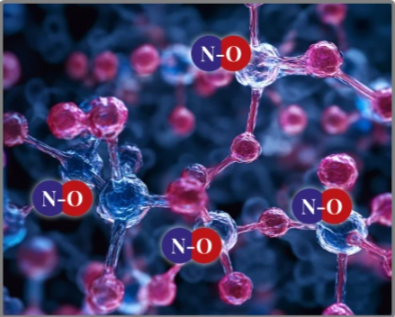
Twentieth-century cardiology was dominated by a pharmacologically reductionist paradigm, prioritizing symptomatic suppression with antihypertensives, lipid-lowering drugs, and anticoagulants. While these approaches extended life expectancy, they did not sufficiently address the molecular precursors of vascular decline. The current era of molecular cardiology, endothelial biology, mitochondrial physiology, and systems-based medicine necessitates a fundamental reorientation. At the center of this shift lies nitric oxide (NO)—a gaseous signaling molecule once considered inert, now recognized as a master regulator of endothelial health, systemic equilibrium, and organismal vitality.
Far from being a passive metabolic byproduct, nitric oxide functions as a multidimensional regulator of physiological systems, influencing vascular compliance, endothelial barrier integrity, platelet balance, mitochondrial respiration, insulin sensitivity, skeletal muscle energetics, and cerebral perfusion dynamics. Declining NO bioavailability—precipitated by aging, nutritional deficiencies, physical inactivity, environmental toxins, chronic inflammation, and microbiome dysbiosis—constitutes a primary driver of cardiovascular, metabolic, and neurodegenerative disease, not a mere secondary correlate. Disorders such as hypertension, atherosclerosis, erectile dysfunction, type 2 diabetes, Alzheimer’s disease, and vascular dementia are increasingly linked to impaired NO signaling. Thus, optimal cardiovascular health demands more than disease suppression; it requires the sustained cultivation of endothelial resilience, vascular flexibility, and systemic optimization across the lifespan.
As vascular theorist Dr. Anjali Mehta asserts: “The attenuation of nitric oxide bioavailability represents not merely a biomarker of aging, but a pivotal molecular transition from physiological resilience to systemic vulnerability.”
Mechanistic Foundations of Nitric Oxide Signaling
Nitric oxide’s influence spans interconnected biological domains:
Vasodilation and perfusion regulation: By activating guanylate cyclase and cGMP pathways, NO induces vascular smooth muscle relaxation, ensuring hemodynamic adaptability and tissue perfusion.
Endothelial immunomodulation: NO attenuates leukocyte adhesion, counteracts oxidative stress, and safeguards endothelial function against inflammatory insult.
Thromboregulation: By reducing platelet aggregation, NO maintains hemostatic equilibrium and mitigates thrombotic risk.
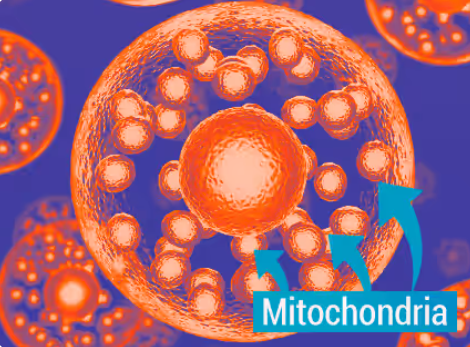
Metabolic homeostasis: NO modulates mitochondrial biogenesis, enhances skeletal muscle glucose uptake, and promotes insulin responsiveness.
Neurovascular coupling: NO regulates cerebral blood flow, matching vascular delivery with neuronal metabolic demand.
When NO production wanes or degradation accelerates, the result is arterial stiffness, endothelial dysfunction, systemic inflammation, and metabolic instability. Thus, nitric oxide functions both as a sentinel biomarker of vitality and as a therapeutic fulcrum for systemic rejuvenation.
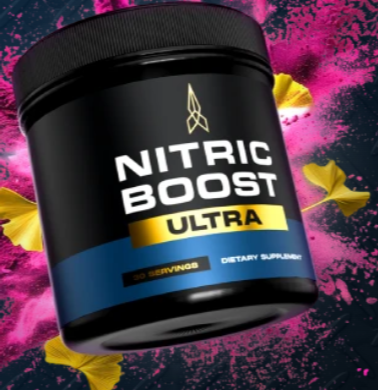
Nitric Boost: A Translational Model of Endothelial Restoration
Nitric Boost represents a nutraceutical intervention designed to restore NO bioavailability, fortify endothelial health, and promote systemic resilience. Unlike conventional pharmaceuticals that target single mechanisms, Nitric Boost employs a synergistic, systems-based strategy, integrating multiple bioactive compounds to enhance both NO synthesis and stabilization.

Bioactive Composition and Synergistic Mechanisms
L-Arginine and L-Citrulline: Substrates that stimulate endothelial nitric oxide synthase (eNOS) activity, thereby increasing endogenous NO production.
Beetroot-derived nitrates: Engage the nitrate–nitrite–NO pathway, offering an alternative mechanism especially valuable in aging or compromised eNOS function.
Pomegranate polyphenols: Stabilize NO molecules, protecting them from oxidative inactivation and amplifying downstream signaling.
Resveratrol and Vitamin C: Act synergistically to prolong NO half-life, modulate endothelial pathways, and neutralize reactive oxygen species.
Magnesium: Functions as a critical cofactor that facilitates smooth muscle relaxation and optimizes eNOS efficiency.
Together, these elements create a polyfunctional vascular optimization matrix, enhancing arterial elasticity, oxygen delivery, exercise performance, metabolic balance, and cognitive acuity.
Clinical and Translational Evidence
Emerging research in integrative vascular medicine demonstrates the therapeutic promise of NO restoration. Studies suggest that NO-enhancing interventions can:
Improve endothelial responsiveness and flow-mediated dilation.
Reduce vascular stiffness and stabilize blood pressure.
Elevate exercise tolerance, oxygen efficiency, and recovery.
Support erectile function, a key marker of vascular health.
Preserve cerebral blood flow and cognition, potentially decelerating neurodegeneration.
Safety, Manufacturing Integrity, and Regulatory Assurance
Nitric Boost is manufactured under GMP-certified, FDA-registered protocols, ensuring pharmaceutical-grade purity, potency, and consistency. Its formulation is non-GMO, allergen-conscious, and free from synthetic excipients or unnecessary fillers, ensuring safety and accessibility. A 60-day satisfaction guarantee underscores both scientific integrity and consumer trust.
Conclusion: Toward a Nitric Oxide–Centered Model of Systemic Longevity
Integrating insights from endothelial biology, systems medicine, and nutraceutical science, nitric oxide emerges as a central determinant of vascular longevity, metabolic resilience, and neurocognitive preservation. Its decline is not incidental but rather a catalyst for vascular aging and systemic decline. Through a nutritionally integrative and clinically translational framework, Nitric Boost represents a novel paradigm for endothelial restoration and whole-body optimization.
For those seeking an evidence-informed, systems-oriented pathway to cardiovascular and systemic health, Nitric Boost embodies the convergence of molecular science, clinical insight, and nutritional therapeutics.

 By
By