
The Historical and Biomedical Paradox of Bread
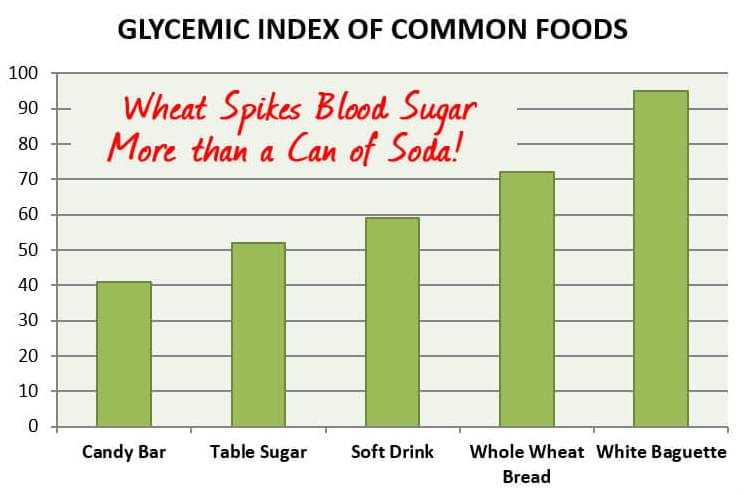
Bread has occupied a central role in human civilization, serving simultaneously as sustenance, symbol, and cultural cornerstone. From ancient unleavened flatbreads to the intricately crafted loaves of early modern Europe, bread has functioned as both quotidian necessity and ritualized offering. Yet the transition to industrialized food systems has profoundly altered this once-wholesome staple. Modern commercial breads are composed predominantly of hyper-refined flours, disproportionately high in gluten content, and replete with synthetic stabilizers, emulsifiers, hydrogenated fats, and covert sugars. The metabolic implications of such formulations are substantial: heightened glycemic volatility, chronic hyperinsulinemia, systemic inflammation, and downstream metabolic disorders. Bread, long associated with nourishment and cultural identity, is increasingly implicated in the proliferation of obesity, diabetes, and autoimmune pathology.
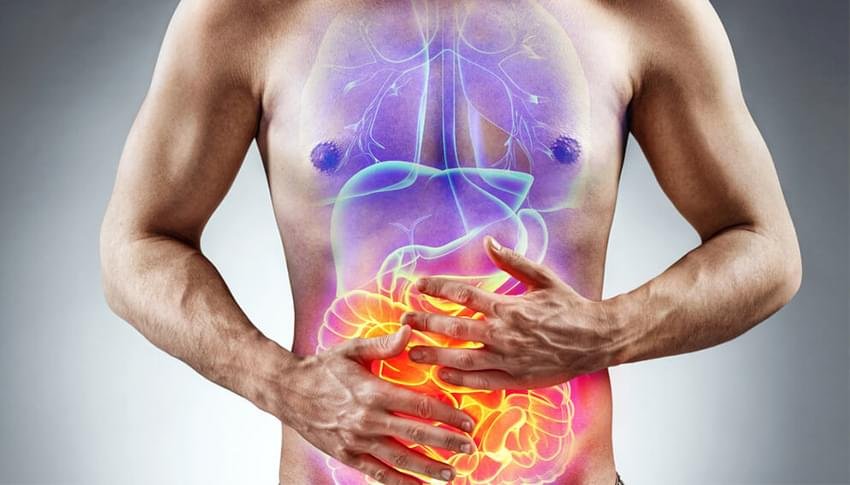
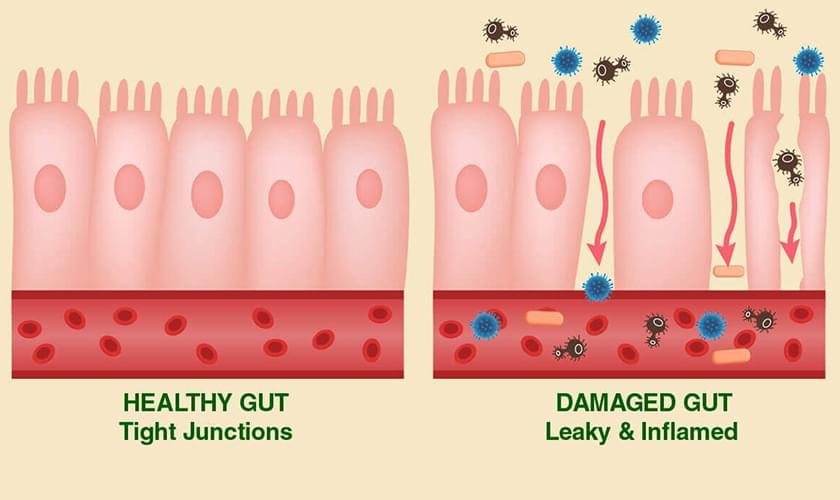
The pathophysiology of bread consumption extends beyond glucose regulation. Gliadin peptides and associated anti-nutritional compounds can compromise intestinal barrier integrity, disrupt microbiota equilibrium, and provoke immunological dysfunction. Individuals with celiac disease or non-celiac gluten sensitivity represent the most vulnerable cohort, yet even asymptomatic populations frequently exhibit subclinical sequelae—ranging from digestive discomfort and fatigue to chronic inflammatory burden. Long-term consequences include nutrient malabsorption, impaired immune resilience, and heightened susceptibility to chronic disease. For many health-conscious individuals, the only perceived solution is abstinence from bread altogether. However, such dietary elimination often produces psychosocial consequences: the experience of deprivation, disconnection from cultural rituals, and alienation from shared meals. The question thus becomes both nutritional and philosophical: can bread be reconstituted as a food that reconciles metabolic health with cultural tradition?
Keto Breads: Redefining the Ontology of Bread
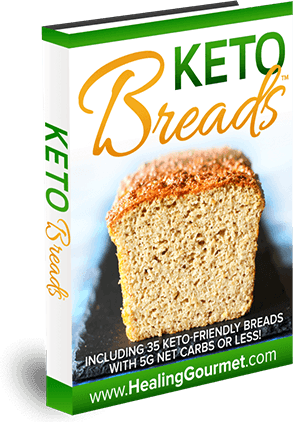
Keto Breads emerges as a direct intervention in this nutritional and cultural dilemma. More than a recipe anthology, it represents a scholarly reconfiguration of bread as a metabolically congruent, biochemically restorative food. The compendium encompasses a diverse repertoire—loaves, rolls, muffins, bagels, pizza crusts, and other familiar forms—engineered to be low-carbohydrate, gluten-free, and consistent with ketogenic and paleo dietary frameworks. By reconstituting bread through functional ingredients rather than industrial shortcuts, Keto Breads positions itself as both a practical culinary manual and a conceptual redefinition of one of humanity’s oldest staples.
The foundation of this innovation resides in the deliberate use of nutritionally functional components: almond and coconut flours for glycemic moderation, psyllium husk and flaxseed for prebiotic fiber, chia seeds for omega-3 fatty acids, and nutrient-dense lipids for metabolic stability. These choices transcend mere culinary substitution; they represent a methodological alignment of gastronomy with nutritional biochemistry. The result is bread that is palatable, aromatic, and satisfying, while simultaneously supporting ketogenesis, stabilizing glycemia, and fortifying gut ecology.
Expansive Benefits: Physiological, Psychological, and Cultural
The significance of Keto Breads extends well beyond taste and texture, encompassing a constellation of measurable benefits:
Metabolic Efficiency: Facilitates lipid oxidation as the predominant energy pathway, advancing weight management, glycemic balance, and sustained vitality.
Endocrine Stabilization: Minimizes glucose excursions and insulin surges, thereby interrupting the pathogenesis of metabolic syndrome and Type 2 diabetes.
Digestive Homeostasis: Excludes pro-inflammatory grains and gluten, alleviating dysbiosis, gastrointestinal discomfort, and immunological overactivation.
Neurocognitive Enhancement: Provides sustained energy release that supports concentration, memory, and mood regulation.
Inflammatory Modulation: Attenuates systemic inflammation implicated in cardiometabolic disease, arthritis, and neurodegeneration.
Nutrient Density: Supplies bioavailable micronutrients, antioxidants, and polyphenols, counteracting the nutrient dilution characteristic of industrial bread.
Appetite Harmonization: Fiber and lipid profiles recalibrate satiety signaling hormones, mitigating overeating and promoting sustained satisfaction.











Practical Integration into Contemporary Life
A salient strength of Keto Breads is its accessibility. Unlike niche dietary texts requiring esoteric ingredients or specialized equipment, this guide is designed for broad utility. Ingredients are commonly available in mainstream supermarkets, and the recipes are approachable for both novice home bakers and seasoned culinary practitioners. Beyond technical instruction, the text offers substitution strategies, customization options, and preservation guidelines, ensuring adaptability across individual preferences and cultural contexts.
Applications are diverse: sandwich loaves for workplace meals, bagels that preserve morning rituals without glycemic compromise, pizza crusts that integrate family traditions into health-oriented frameworks, and even burger buns for communal gatherings. In each case, the recipes serve as conduits for reconciling social and cultural continuity with metabolic integrity.
A Paradigmatic Reorientation of Bread
Keto Breads signifies more than a culinary innovation; it represents a paradigmatic shift in how bread is conceptualized. Rather than an agent of dietary harm, bread—when reformulated through scientifically informed methods—becomes a vehicle for health optimization and cultural preservation. This reframing allows bread to be embraced not as an indulgence to be eliminated, but as a nourishing, identity-affirming food reimagined for contemporary health challenges.
For individuals grappling with weight dysregulation, digestive disorders, or metabolic instability, Keto Breads offers not only recipes but also a philosophical resolution: one can honor tradition without sacrificing physiological well-being. In this sense, the text functions as both nutritional intervention and cultural reclamation.
Conclusion: Bread as Restoration, Not Compromise
Keto Breads embodies a profound rearticulation of bread as both a symbol and a science. It demonstrates that the historical tension between culinary pleasure and health discipline is not an immutable dichotomy. Instead, bread can be re-envisioned as a bridge between ancestral traditions and modern nutritional imperatives. The synthesis of rigorous biochemistry with culinary artistry produces not a compromise, but a reintegration: bread as a source of vitality, satiety, and cultural connection.
Adopting Keto Breads is thus more than a dietary choice; it is an act of reclaiming agency over one’s metabolic destiny, reasserting connection to cultural practices, and affirming the possibility of nourishment without sacrifice. In doing so, it restores bread to its rightful role: not as a detriment to health, but as a cornerstone of human flourishing.
Discover this reimagined paradigm of bread, where health and heritage converge: Official Site


 By
By