
The Skin-Gut Connection and Solutions
Introduction: A Hidden Highway Between Your Gut and Skin
Have you ever felt like your skin was sending you a distress signal? Believe it or not, the way to glowing, balanced skin might start deeper, right in your gut. The skin-gut connection is not just a trendy phrase; it is a well-supported idea that what happens inside your digestive tract can impact your complexion. Let’s dive in, explore the science, and look at life-changing solutions.
What Is the Gut-Skin Axis?
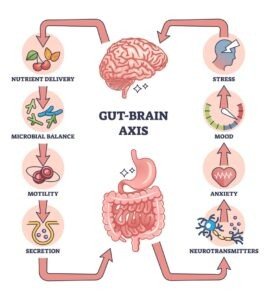
- The gut-skin axis is a two-way communication route. Gut microbes influence skin health, and skin conditions can impact gut balance.
- Mechanisms include immune signaling, metabolites like short-chain fatty acids (SCFAs), and hormonal pathways and neurotransmitters produced by gut microbes.
Why It Matters
A balanced gut microbiome plays a crucial role in skin health and immunity. Disruption of this ecosystem, known as dysbiosis, is connected to inflammatory skin conditions like acne, psoriasis, rosacea, atopic dermatitis, and even vitiligo.
Comparison Table: Gut-Skin Mechanisms vs. Real-World Skin Conditions
| Mechanism | What Happens in Gut Dysbiosis | Skin Impact |
|---|---|---|
| Immune activation | Dysbiosis triggers inflammatory cytokines and immune imbalance | Flares in eczema, psoriasis, acne |
| SCFAs & metabolites | Reduced SCFA production weakens barrier | Dryness, inflammation, compromised skin barrier |
| Hormonal imbalance | Altered gut microbe hormones (e.g., cortisol, serotonin) | Increased redness, oil production, stress flares |
| Barrier cross-talk | Gut leakage (“leaky gut”) allows microbes/compounds to enter | Inflammatory responses on skin |
Key Insights & Research Highlights
1. Bidirectional Dialogue
Studies show that gut health and skin health are closely linked. For example, gut dysbiosis leads to lower microbial diversity on the skin and can make conditions like atopic dermatitis worse.
2. Healing via Metabolites
Gut-derived SCFAs are strong anti-inflammatory agents. They improve both gut and skin barriers.
3. Diet: Your First Line of Defense
4. Fermented & Probiotic Foods to the Rescue
5. Gut-Targeted Therapies on the Horizon
6. Lifestyle: The Underestimated Factor
Unique Perspective : My Journey with the Skin-Gut Connection
I used to struggle with breakouts and rosacea. I tried every serum I could find. Then, I took a step back and paid attention to my gut. I began tracking my diet and added more fiber-rich veggies, fermented foods, and a calming daily ritual of chamomile tea. You Can Try this
Within weeks:
- My gut felt calmer, with less bloating and smoother digestion.
- My skin? It was noticeably clearer and more balanced. It was almost as if my inner microbiome thanked me for listening.
- That experience changed how I think about skincare. It isn’t just about what you put on your skin; it’s deeply connected to what’s happening inside.
Actionable Solutions to Nurture Your Skin from Within
1. Adopt a Microbiome-Friendly Diet
- Go for fiber-rich whole foods like berries, oats, and legumes.
- Embrace fermented staples such as kimchi, kefir, and mustard pickles.
- Lean into Mediterranean-style eating, which includes moderate fats and plenty of plants.
2. Use Targeted Supplements Thoughtfully
- Incorporate probiotics with clinically researched strains.
- Consider synbiotics or postbiotics after talking to a healthcare provider.
3. Gentle Skin Barrier Care
- Opt for gentle, fragrance-free cleansers and moisturizers that contain humectants and occlusives.
- Avoid over-exfoliating or using harsh ingredients that disrupt your barrier.
4. Holistic Lifestyle Tune-Up
- Opt for gentle, fragrance-free cleansers and moisturizers that contain humectants and occlusives.
- Prioritize sleep and stress management; stress affects both your gut and skin.
5. Track, Adjust, Repeat
- Start a skin-and-diet journal to notice patterns.
- Be patient; healing your microbiome takes time, but it will show in your skin’s resilience.
Case Studies: Real-World Results
- Maria’s Psoriasis Relief
Maria, 42, had battled psoriasis for over a decade. After adopting a Mediterranean diet, adding kefir, and reducing refined sugar, her flare-ups reduced by 70% within three months.
2. Jake’s Acne Turnaround
Jake, 25, noticed worsening acne during stressful college exams. By adding mindfulness meditation, a probiotic supplement, and cutting back on processed snacks, his skin cleared significantly over a semester.
3. Anya’s Rosacea Improvement
Anya, 36, eliminated dairy for six weeks after noticing digestive discomfort. Her rosacea redness reduced dramatically, and she maintained results with a balanced, dairy-light diet.
Future Directions in Skin-Gut Research
The connection between gut and skin health is still being explored, but the future looks exciting:
Topical postbiotics for inflammatory skin diseases
Fecal microbiota transplants (FMT) for severe, gut-driven skin disorders
Wearable skin microbiome sensors that alert you to imbalances
AI-powered diet recommendations tailored to both gut and skin health profiles
Conclusion: A Conversation Worth Having with Yourself and Your Skin
When nourishing your skin-gut connection, you do more than feed your gut. You support a communication system that fosters clarity, balance, and radiance. This isn’t just about looks; it’s a wellness philosophy.
Have you noticed changes in your skin when you adjust your diet or stress habits? Share your observations below. Let’s build a mindful community that shines from the gut outward. Are you curious about gut-friendly recipes or skin-supporting rituals? Subscribe and stay tuned. Your skin and gut will thank you.



 By
By